Why intermittent vital sign monitoring three times a day is no longer sufficient
This article was originally published in Dutch in the Life Science & Healthcare supplement of Het Financieele Dagblad (25 September 2026), produced in partnership with Contentway. This is an English-language version of the article.
On a general hospital ward, vital signs (including temperature, oxygen saturation, heart rate and respiratory rate) are typically assessed through intermittent spot checks, often only three times a day. Between those checks, patients may remain unmonitored for several hours. This is particularly relevant in cases of gradual clinical deterioration, where early physiological changes frequently precede recognition by clinical staff by hours, delaying timely intervention.
As patient volumes continue to rise while nursing capacity remains limited, these unmonitored intervals are becoming an increasing risk to patient safety. Continuous measurement of vital signs can help bridge this gap, provided the technology integrates seamlessly into existing clinical workflows. smartQare, founded by two entrepreneurs seeking a reliable way to support a loved one remotely, developed a solution designed with that challenge in mind.
Their wearable device, viQtor, is worn on the upper arm and measures vital signs continuously rather than relying on intermittent spot checks three times a day, generating 1,440 data points per vital sign every 24 hours, equivalent to one measurement per minute. A built-in SIM card ensures continuous connectivity regardless of the patient's location, whether on the ward, during transport or at home explains Commercial Director Johan Vooren. "More data gives you a better picture of the patient", adds Clinical Director Sabine van Zundert.
In a study at Catharina Hospital Eindhoven including 516 patients, the wearable revealed changes in vital sign trends six to eight hours before a patient's condition deteriorated. smartQare's second product, Healthdot, is a wearable biosensor applied to the lower rib area that measures heart rate and respiratory rate continuously. It is designed primarily to support patients returning home earlier and more safely following surgery.
From clinical practice to evidence
Simon Nienhuijs, surgeon of Catharina Hospital Eindhoven, sought to enable same-day discharge for patients undergoing bariatric surgery. Together with anaesthesiologist Arthur Bouwman, who conducts research on perioperative monitoring at Eindhoven University of Technology (TU/e), he initially evaluated Healthdot in the hospital setting before extending its use to post-discharge monitoring at home. Today, half of the more than 800 bariatric procedures performed annually at the hospital are carried out as day-case surgery. According to the study, patients are discharged on average one day earlier, resulting in a 60 percent reduction in hospital length of stay for this patient group.
On surgical wards that have implemented continuous monitoring with the viQtor, nurses save an average of ten minutes per patient per day, time they now spend on preparation and direct patient care. Patients report improved sleep quality, as night time spot checks are no longer required, while the hospital has observed a reduction in readmissions because emerging signs of deterioration are identified earlier. The impact is such that nurses now express a preference for working on continuously monitored wards. "We can't imagine working without this way of monitoring", says Nienhuijs.
"We can't imagine working without this way of monitoring", Simon Nienhuijs, surgeon at Catharina Hospital.
Fewer alarms, greater confidence
The main concern regarding continuous monitoring is not the technology itself, but the risk of alarm burden on nursing staff. Bouwman points to the hospital's existing nurse call system, which on some wards generates thousands of notifications per week. "With monitoring, our aim is to cut that down to the signals that really matter. Adding more alarms to the existing stream is a recipe for failure", he says.
The hospital deliberately chose not to forward every signal, to avoid creating an intensive care environment on the general ward. "Thresholds need to be set carefully for each patient, otherwise you risk alarm fatigue. In practice, nurses find the wearables bring more structure and calm to their work", says Van Zundert.
Scaling up takes more than evidence
More than twenty hospitals across the Netherlands have now taken initial steps towards implementing continuous monitoring, with the aim of maintaining high-quality and affordable care. The Brainport Eindhoven region plays a central role: smartQare collaborates in a consortium with TU/e, Catharina Hospital and Philips, with Demcon and VDL as manufacturing partners. Internationally, projects are underway with Karolinska University Hospital in Stockholm, the NHS in England and health insurer Discovery in South Africa.
Structural funding for innovations of this kind could make a substantial difference nationwide, reducing workload while delivering better, more appropriate care. For now, however, hospitals must build a separate business case for each ward, as no dedicated reimbursement code exists. "That has proven very complicated in the Dutch context", says Vooren, who believes health insurers and policymakers should do more to encourage adoption. He points to Catharina Hospital as evidence that the business case can be positive.
Catharina Hospital now uses the solution on all its surgical wards and is working to extend it further. Nienhuijs is already looking ahead to the next step: monitoring that starts before surgery and continues through recovery after discharge. Vooren estimates that at least half of all hospital beds could eventually benefit from some form of continuous monitoring. "I think we're only just beginning to tap into its potential".
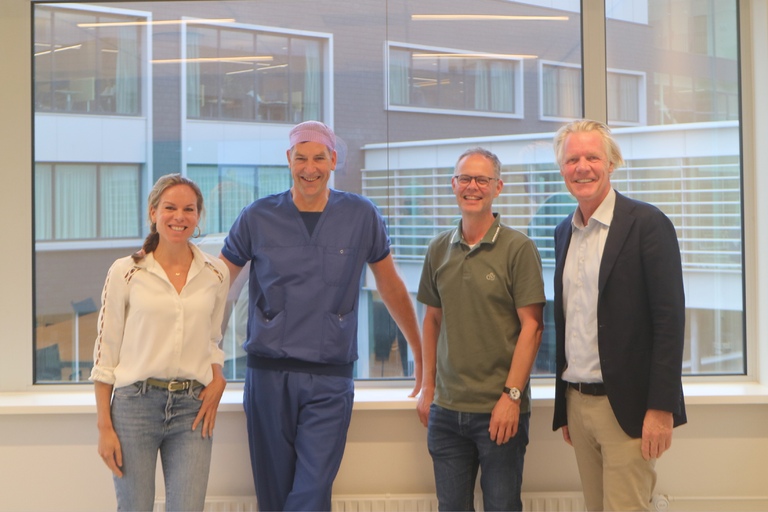
Photo caption: Sabine van Zundert, surgeon Simon Nienhuijs, anaesthesiologist Arthur Bouwman & Johan Vooren.
Link to the article in Het Financieele Dagblad
Exploring continuous monitoring for your hospital? Get in touch with our team.
-

Towards information security certification
Information security is of paramount importance to smartQare. We want to be sure that all data within our company cannot fall into the wrong hands. Laura Pomstra, together with our security officer, is now working on obtaining NEN7510 and ISO27001 certification for information security in healthcare.
-

Student job at smartQare: developing viQtor and yourself!
Our team is constantly refining and developing the medical technology behind viQtor. In this process, we also receive support from students. For example, last year Frank Boon, Head of Research, could count on Simone de Jonge, a student at the Technical University in Eindhoven. She did the research for a new measurement within our 24/7 monitoring solution.
-
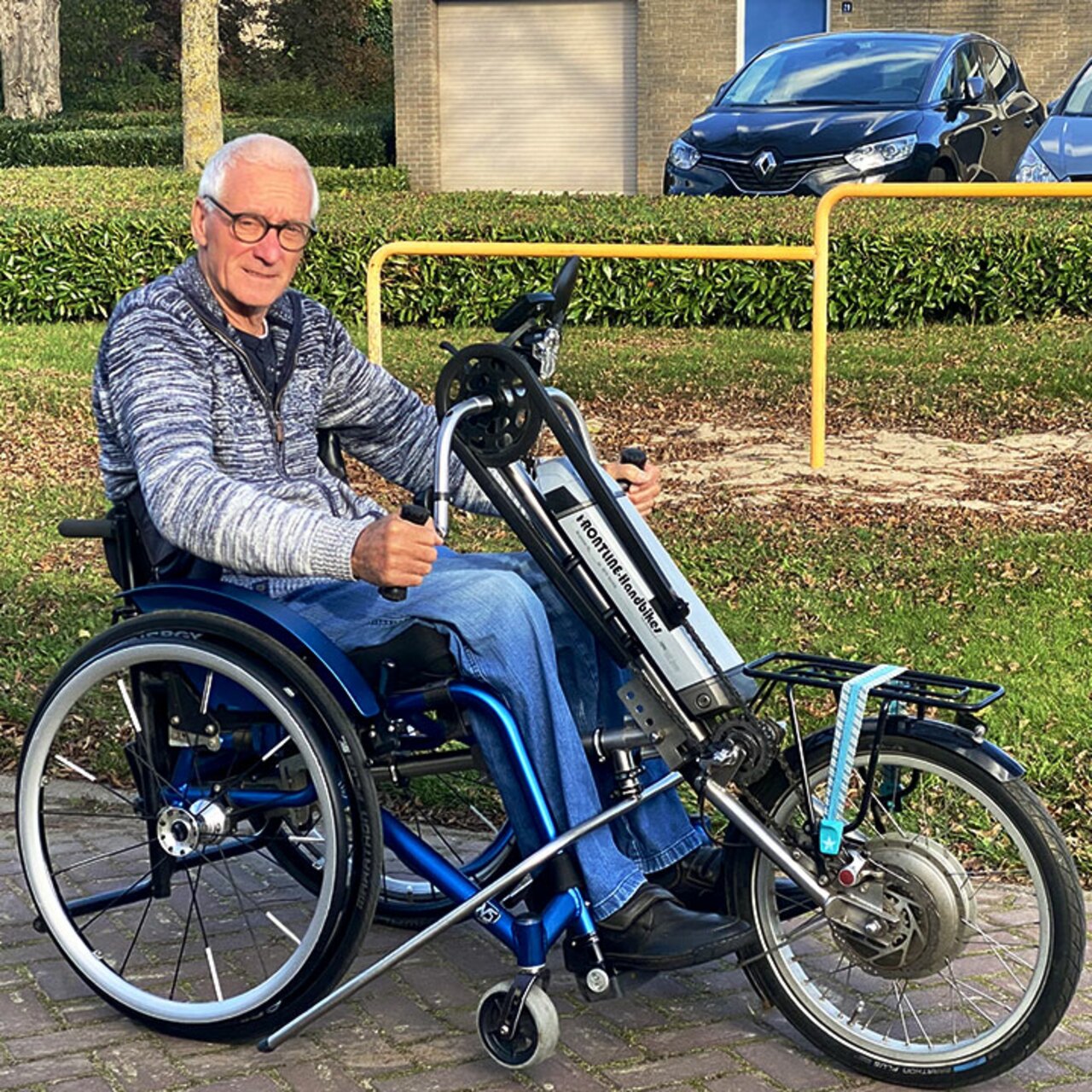
The story of Fred Hoogeveen
Fred Hoogeveen (72) was always a real sportsman. He lived a healthy and active life. Until an accident turned his life upside down. Now he is paralyzed from the chest down. Yet he still gets the most out of his life every day.
-
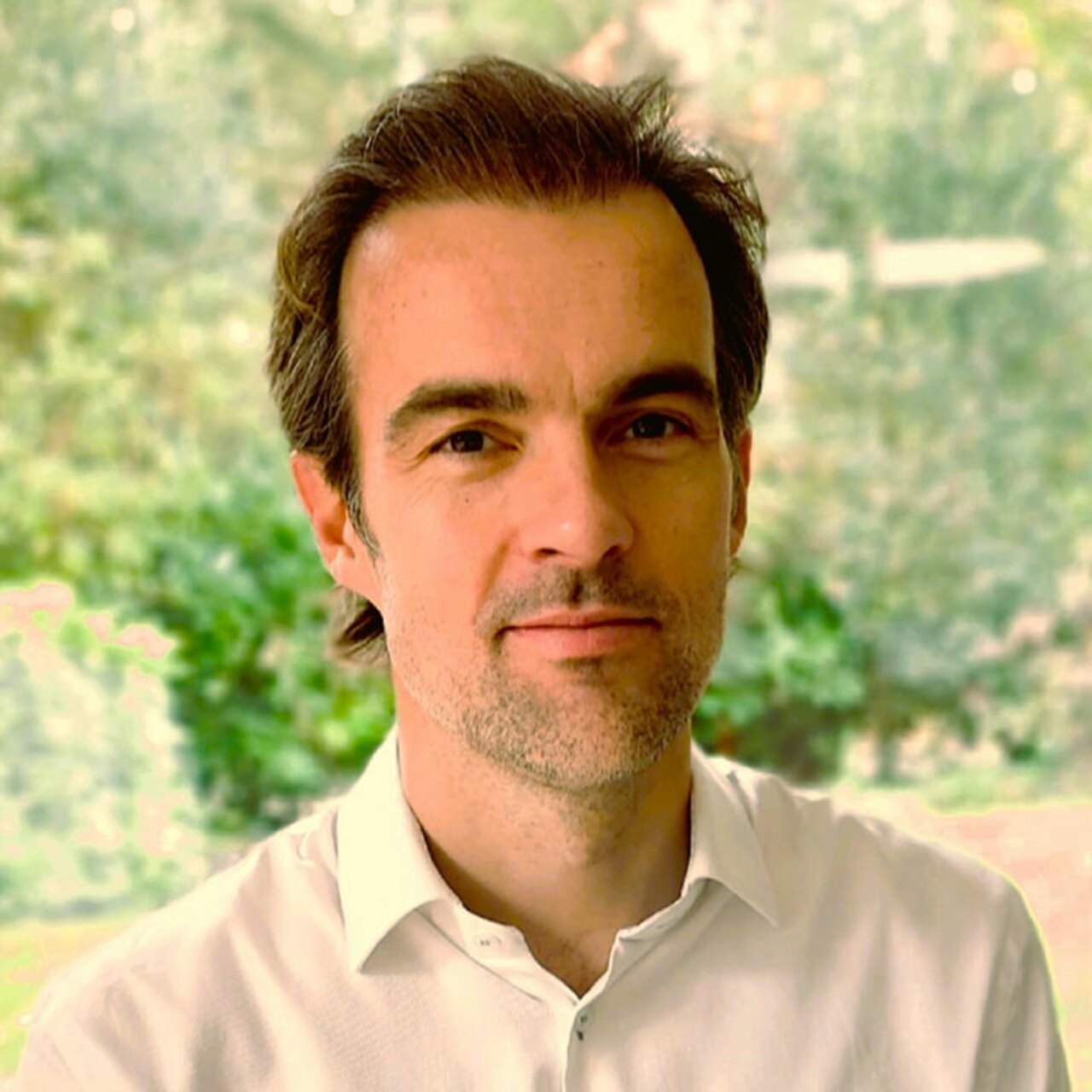
The next step: focus on clinical validation
Now that our viQtor has the CE mark, we are building the next step: conducting applied clinical studies in medical practice. This proves the added value of our solution for 24-hour monitoring compared to the current clinical standard. Jeroen Kortsmit is responsible for this process. As Clinical Science Manager, he focuses on setting up the clinical validation strategy.
-
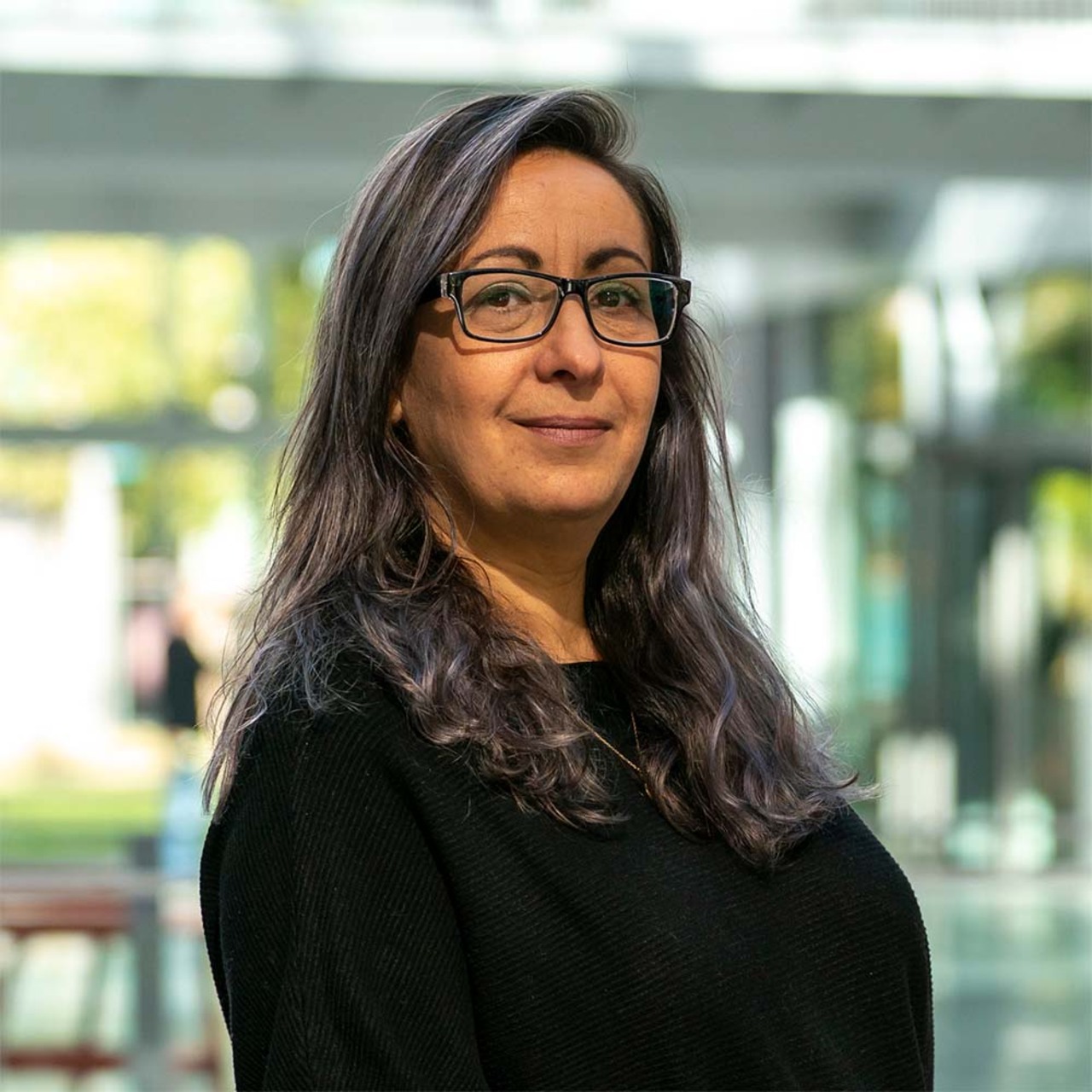
Quality management system at the heart of medical marking
Souraya Verhaegen is our QA/RA manager and responsible for the quality control and regulation of our viQtor solution. Together with our users, she has the most important voice in our organization, because if Souraya rejects an idea, the plan will not go ahead. That is how important the quality system is in the development of a medical application.
-

LUMC calibrates and validates oxygen saturation viQtor
The viQtor, our wearable for 24-hour monitoring, measures, among other things, the oxygen level in the blood. At the end of 2021, the LUMC, led by anesthesiologist Rutger van der Schrier, calibrated and validated the oxygen saturation measurements. With this, viQtor has taken an important step towards CE class IIa marking.
-

A look behind the scenes at smartQare Operations
The viQtor solution is an ingenious interplay between the high-tech device that clients wear on the upper arm and a practical app for caregivers. Vital values are processed and communicated 24/7 in the background. We get a look behind the scenes in a conversation with our former COO, Paul Smilde.
-

Let's meet: Henk Stapert, our new CTO
In the run-up to the market launch, we brought in former Philips healthcare innovation manager Henk Stapert PhD. As our new CTO, Stapert will focus on the technological path to the CE class IIB marking for medical devices based on the Medical Device Regulation (MDR) and the further development of our network care. Meet a driven innovator.
-

Elderly care: Mrs. Janssen is more than a patient
A circle is not complete until you close it. That is my motto and the story of my life at the same time. But this story is mainly about Mrs. Janssen, a lady with a chronic condition that needs care.