in-hospital monitoring
rethinking patient monitoring in hospitals
For decades, hospitals have relied on periodic spot checks to monitor patients in general wards, typically conducted three to six times a day by nurses. While this has been the standard approach, it presents critical gaps in patient safety and efficiency. A patient discharged from the ICU—where they receive continuous monitoring—is suddenly subject to intermittent checks, increasing the risk of undetected deterioration. If subtle signs of clinical decline go unnoticed between measurements, intervention is delayed, potentially leading to complications, prolonged recovery, or even ICU readmission.
Moreover, this manual process is time-consuming, with each assessment taking up to 15 minutes per patient. In understaffed healthcare environments, these routine checks consume valuable time that could be dedicated to direct patient care. Spot checks also provide only momentary snapshots of patient vitals, making trend recognition difficult, and frequent nighttime measurements can disrupt patient sleep, further hindering recovery.
a smarter approach: continuous, (near) real-time trend monitoring
smartQare transforms in-hospital monitoring with automated, continuous tracking of vital signs. By eliminating the reliance on intermittent measurements, smartQare’s solutions provide a complete picture of a patient’s health, allowing clinical teams to detect deterioration early and intervene proactively.
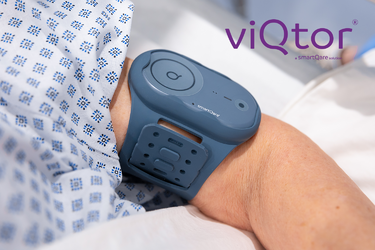
viQtor
real-time insights with seamless integration
viQtor is a wearable device designed to provide continuous monitoring of pulse rate, respiratory rate, oxygen saturation, skin temperature and activity using photoplethysmography (PPG). Worn comfortably on the upper arm, it integrates seamlessly into hospital workflows without interfering with bandages, IV lines, patches and/or tubes.
- provides (near) real-time updates to healthcare teams, allowing for swift clinical decisions.
- calculates a continuous early warning score (cEWS), helping identify subtle changes before they become critical.
- minimizes the need for manual spot checks (decrease of 62.7%), reducing nurse workload (10 minutes per day per patient) while improving patient safety.
The morning shift starts at 7 a.m., and in the past, we always had to rush to get everything done before the doctor's rounds. We had to get eight patients out of bed, provide morning care, dispense medications, and do all the check-ups manually. Sometimes we simply couldn't get everything done in time, meaning patients had to stay in bed longer and could be mobilized later” ...
"Now that we're working with viQtor, the check-ups are already in the electronic patient record (EHR). This allows us to mobilize patients more quickly and makes us feel less rushed during morning care. We're ready in time for the doctor's rounds because we no longer have to do manual check-ups in the morning. This gives us more time for personal care. This improves the quality of care because we can mobilize patients sooner, which contributes to a faster recovery.”
Nurse, post-surgical ward 5-East, Catharina Ziekenhuis Eindhoven (CZE)
See the clinical evidence behind viQtor.
Healthdot 3.1
proactive patient monitoring
Healthdot 3.1, a lightweight biosensor worn on the chest, continuously measures heart rate and respiratory rate, enabling a reduced early warning score (rEWS) to track patient conditions in real time. It is particularly valuable for general ward patients requiring proactive monitoring and those transitioning to home-based recovery.
With smartQare’s solutions, hospitals can optimize their workflows, improve early detection of deterioration, and enhance patient recovery—ensuring that every second counts when it comes to patient safety.
-
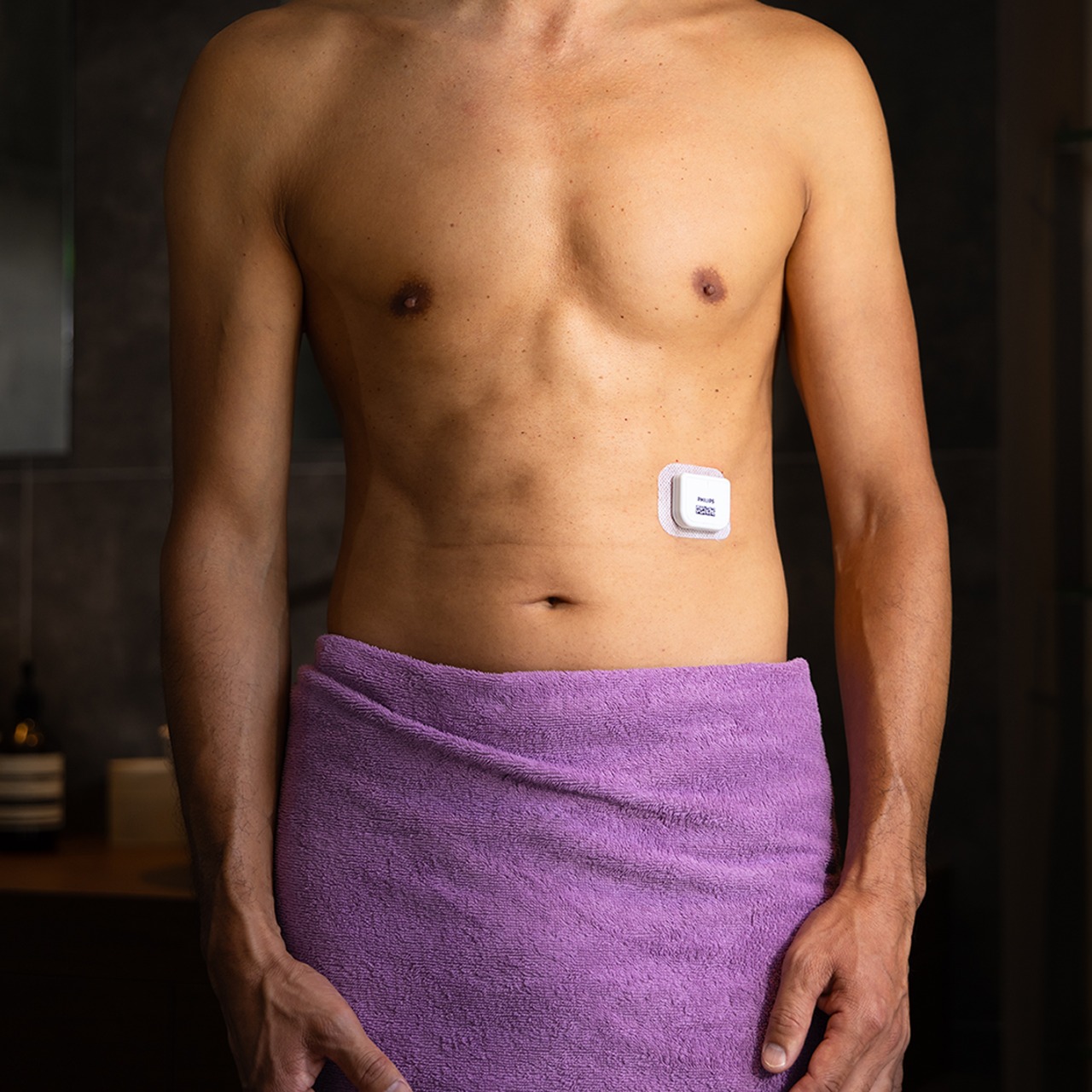
hospital-to-home monitoring
Postoperative recovery requires close monitoring to detect complications early. smartQare makes it easy to track patients remotely as they transition from hospital to home, ensuring safety, supporting recovery, early discharge, reduction of average hospital stays, and even readmissions.
-
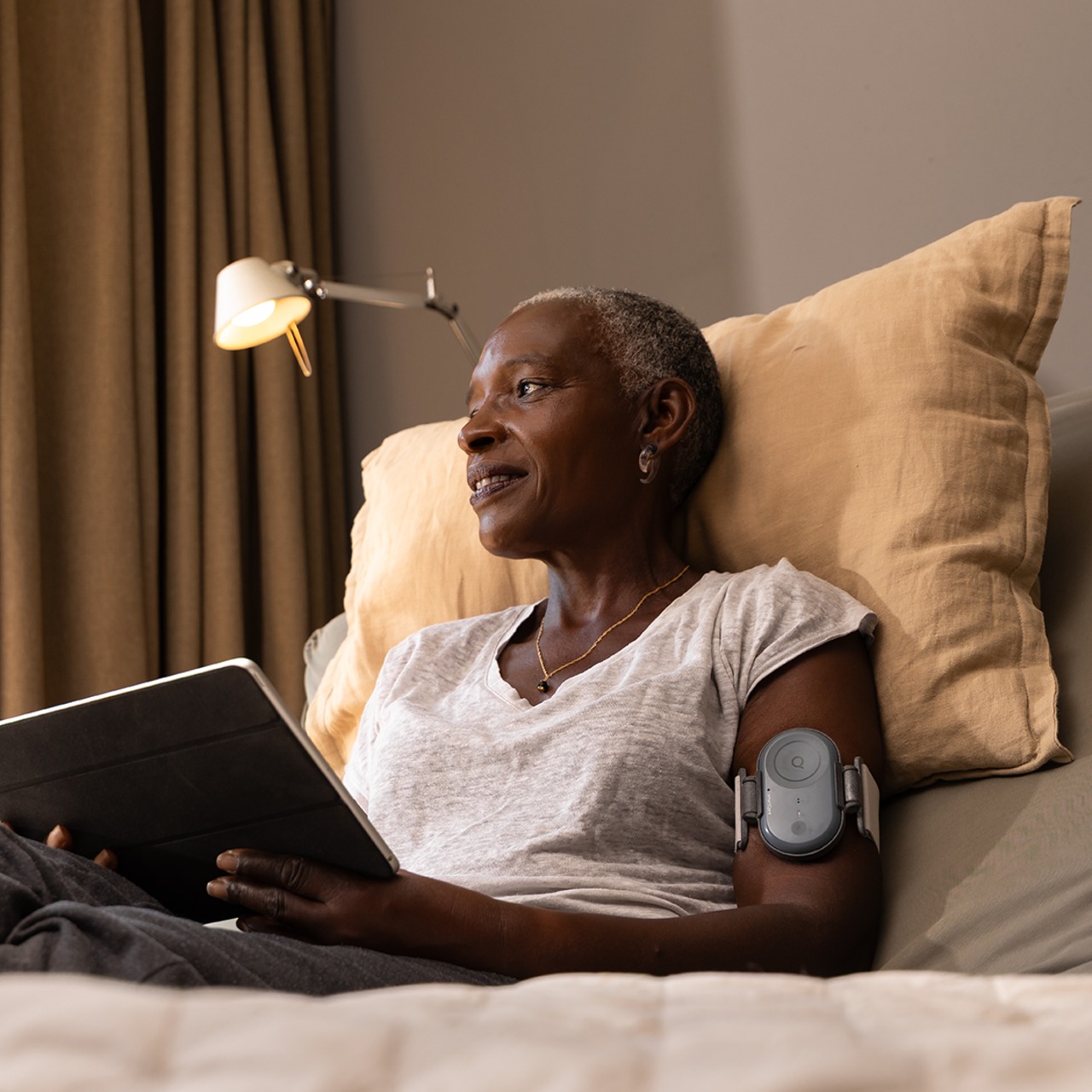
home monitoring
smartQare’s solutions provide continuous care for individuals at home, whether recovering from illness, managing chronic conditions, or maintaining general health. viQtor monitors vital signs, activity, and falls, providing comfort and safety, while giving caregivers valuable insights for better care.